If you want more space without leaving Montgomery County, Clarksburg is hard to ignore. This part of the county was planned with growth, open space, and neighborhood structure in mind, which gives it a different feel from many closer-in suburbs. If you are weighing a move here, understanding how Clarksburg was designed can help you decide whether its lifestyle fits your needs. Let’s dive in.
How Clarksburg Was Planned
Clarksburg was shaped by a long-range planning vision, not by scattered growth. The 1994 master plan identified it as the northern-most population center along the I-270 corridor and called for a transit- and pedestrian-oriented community surrounded by preserved open space.
That framework also emphasized a town center, a greenway system, farmland preservation, and protection for sensitive stream valleys such as Ten Mile Creek and Little Seneca Creek. In practical terms, that means open space is not an afterthought here. It is built into the community’s structure.
That planning story is still evolving. In March 2026, the County Council approved the Clarksburg Gateway Sector Plan for about 969 acres, describing it as a vision for a more complete, connected, and sustainable Clarksburg with more housing, transportation improvements, parks and open spaces, and natural-resource protection.
Planned Communities in Clarksburg
County planning materials describe Clarksburg as three distinct neighborhoods: Town Center, Cabin Branch, and Newcut Road, which includes the Clarksburg Village and Greenway Village area. Each has its own role within the larger community, but all are tied together by the area’s planned layout and open-space network.
Clarksburg Town Center
Clarksburg Town Center is the planned mixed-use core of the area. It is intended to bring together housing and retail in a more central community hub, and its final approved phase is expected to add a Weis-anchored retail center along with 189 dwelling units.
For buyers, that matters because it shows Clarksburg is still being built out. If you are looking for a community with an evolving center and future amenities, Town Center is an important part of that story.
Cabin Branch
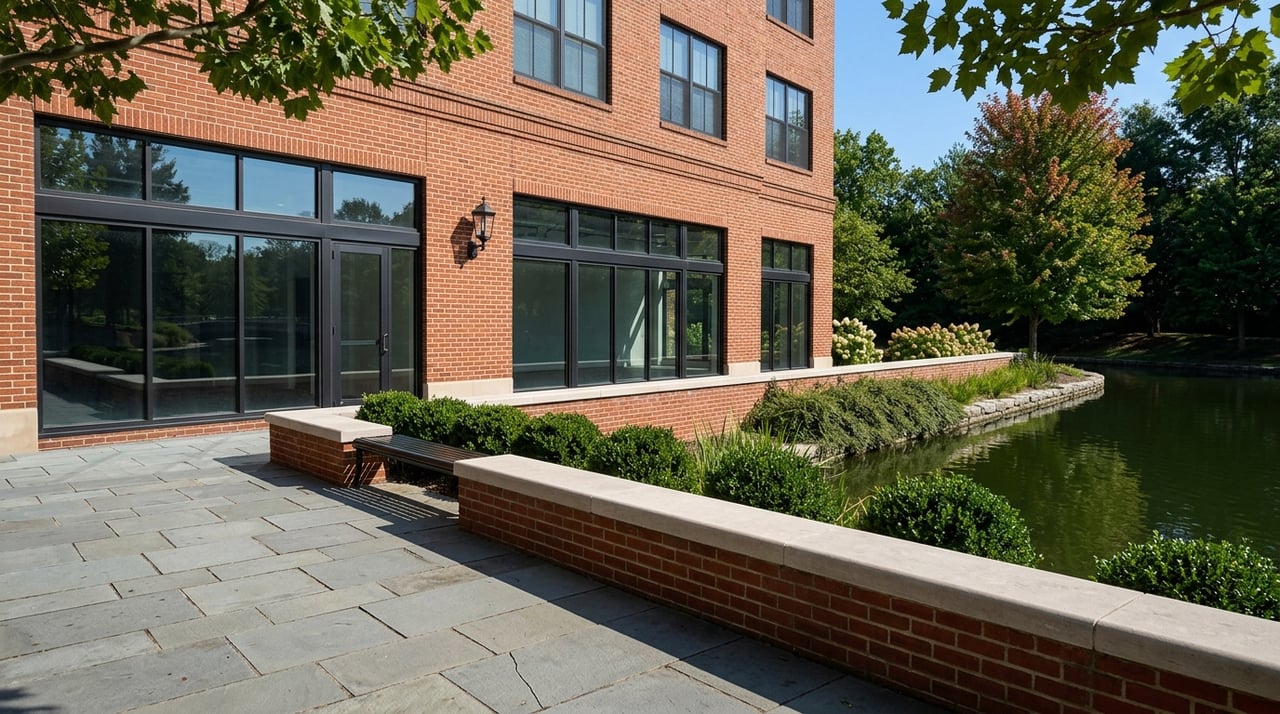
Cabin Branch was approved as a mixed-use planned community. The approved plan includes a mix of detached, attached, and multifamily housing, along with senior housing, commercial space, open space, and a public school site.
That mix gives Cabin Branch a broader range of home options than some buyers may expect. It also reflects the larger Clarksburg goal of creating neighborhoods with housing variety rather than a one-format suburban layout.
Clarksburg Village and Greenway Village
Clarksburg Village was approved with housing, school sites, parks, open space, and greenway and trail segments. This helps explain why the area often appeals to buyers who want neighborhood structure and newer housing with outdoor access nearby.
The Greenway Village area fits into that same Newcut Road planning framework. Together, these neighborhoods support the idea of Clarksburg as a community organized around both homes and shared outdoor space.
What Homes in Clarksburg Look Like
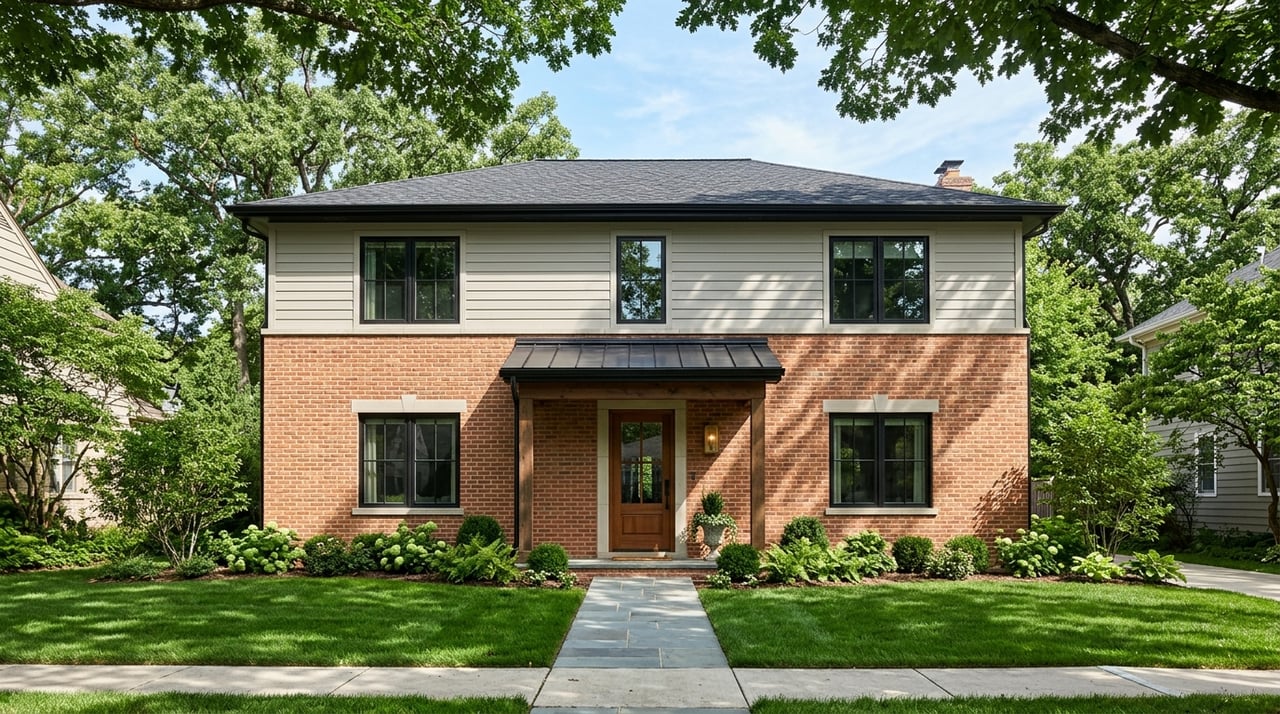
Clarksburg’s housing stock is relatively new by Montgomery County standards. In the 2020 to 2024 ACS profile, 43.5% of homes were built in 2010 to 2019, and 40.7% were built in 2000 to 2009.
That newer inventory is one reason Clarksburg often stands out for buyers comparing home age, layout, and scale across the county. Homes here also tend to be larger, with a median of 7.1 rooms.
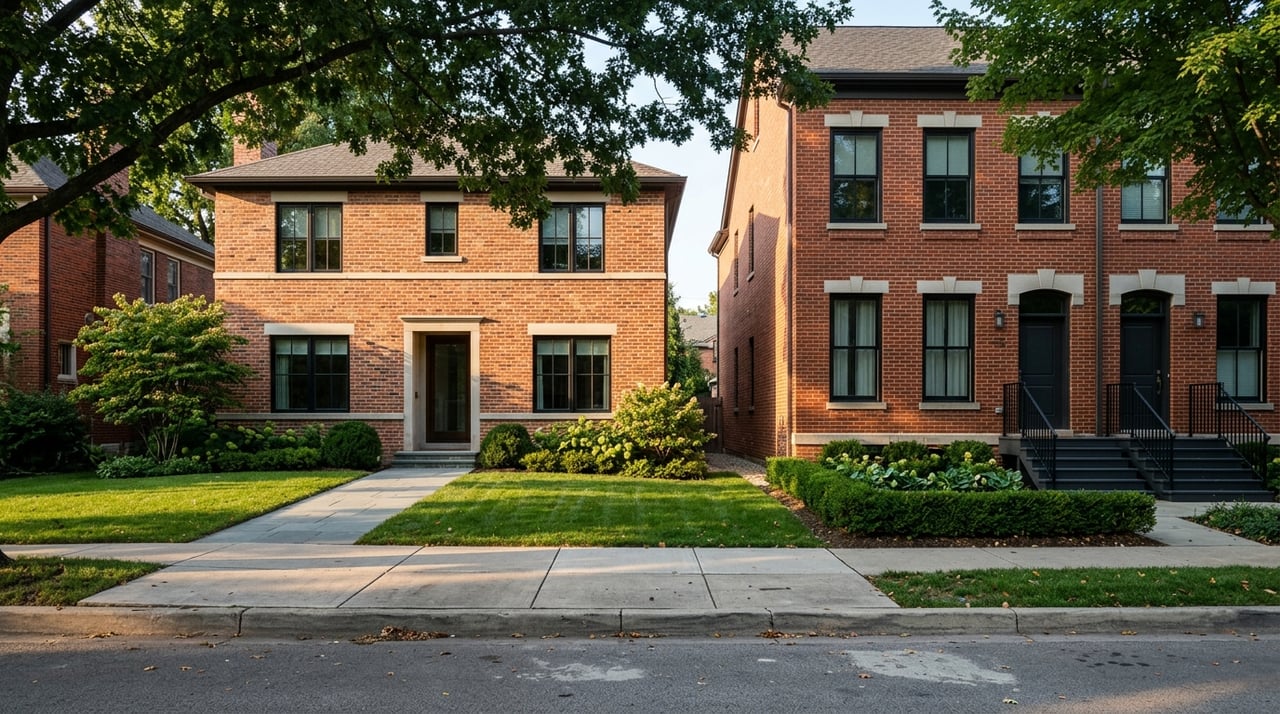
The area includes both detached and attached housing. According to the same ACS profile, 53.0% of housing units are detached and 36.9% are attached, while only 2.2% are in buildings with 20 or more units.
Bedroom counts also point to larger floor plans. About 35.1% of homes have 3 bedrooms, 36.0% have 4 bedrooms, and 17.6% have 5 or more bedrooms.
Clarksburg by the Numbers
A few data points help clarify the local housing profile and overall feel of the community.
| Category | Clarksburg |
|---|---|
| Population | 30,487 |
| Median age | 38.0 |
| Housing units | 9,515 |
| Owner-occupied homes | 89.9% |
| Detached homes | 53.0% |
| Attached homes | 36.9% |
| Median household income | $176,678 |
Clarksburg also differs from Montgomery County overall in meaningful ways. Countywide, 65.3% of occupied units are owner-occupied, compared with 89.9% in Clarksburg. The county has a lower detached share and a much smaller attached-home share than Clarksburg, which reinforces how strongly this area leans toward ownership and ground-oriented housing.
Why Open Space Matters Here
Open space is one of the clearest parts of Clarksburg’s identity. The planning framework called for preserved stream valleys and a greenway system, and today that vision shows up in the area’s park access, trail options, and nearby regional destinations.
If you want a neighborhood where outdoor access feels like part of daily life, Clarksburg delivers more than a single local park. It offers a network of recreation choices that stretches from neighborhood amenities to large regional parkland.
Little Bennett Regional Park
Little Bennett Regional Park is the signature outdoor amenity in the area. It spans about 3,700 acres and includes more than 30 miles of natural-surface trails, along with a campground and several trailheads off Clarksburg Road, Frederick Road, and Lewisdale Road.
Montgomery Parks also describes a 65-acre day-use gateway area on MD 355 that is meant to create a welcoming entrance and a nature-based recreation node. For many buyers, this kind of access helps define the Clarksburg lifestyle.
Seneca Creek Greenway Trail
The trail network extends beyond one major park. Montgomery Parks describes a 7.8-mile segment of the Seneca Creek Greenway Trail from MD 355 to Watkins Road, part of a planned 25-mile greenway connection for hiking, biking, and horseback riding.
That broader system supports the original master plan’s focus on greenways along stream valleys. It also gives residents more ways to connect outdoor recreation to everyday routines.
Neighborhood and Recreation Parks
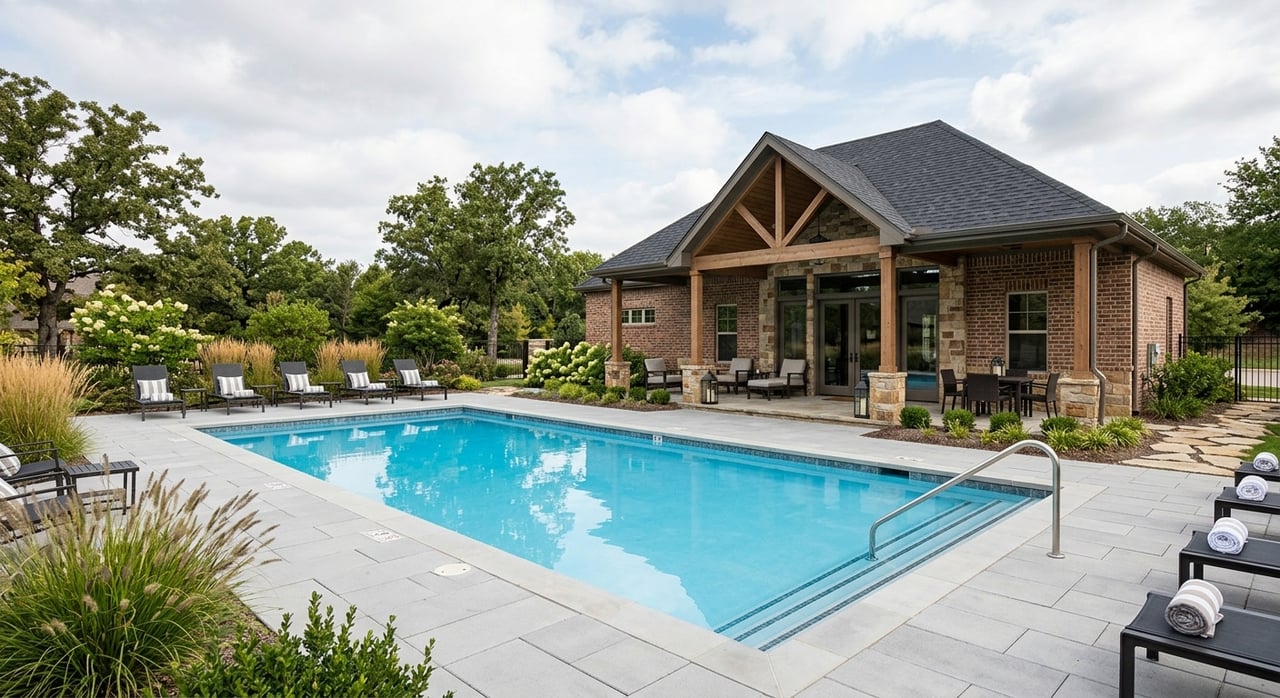
Clarksburg Neighborhood Park includes an activity building, basketball courts, tennis courts, playgrounds, and picnic facilities. Piedmont Woods Park adds a dog park, tennis and pickleball courts, basketball, playgrounds, and both paved and natural-surface trails across 65 acres.
Ovid Hazen Wells Recreational Park adds another layer of active recreation. Its 290 acres include picnic shelters, playgrounds, a carousel, a skatepark, soccer fields, baseball, and softball.
Nearby Black Hill Regional Park
Black Hill Regional Park is another major outdoor destination close to Clarksburg. It offers more than 2,000 acres, Little Seneca Lake, boating, trails, fishing, and a discovery center with nature programs.
Taken together, these parks make outdoor space part of the area’s geography, not just a weekend option. That is a major reason Clarksburg appeals to buyers who want room to spread out and easy access to trails and recreation.
Everyday Convenience in Clarksburg
Clarksburg’s retail pattern is different from older, denser parts of Montgomery County. Instead of one continuous commercial corridor, retail is organized around a few concentrated nodes.
The current grocery anchor in Clarksburg Village Center is Harris Teeter. Clarksburg Premium Outlets is also a major retail destination and is Montgomery County’s only outlet shopping destination, with more than 25 exclusive luxury outlet brands.
At the same time, local planning materials describe Clarksburg as under-retailed. A 2025 planning market study reported a retail vacancy rate under 1% in the market study area and retail supply of 21 square feet per resident, or just 9 square feet per resident if the outlet center is excluded, compared with 36 square feet per resident countywide.
For you as a buyer, that likely translates into a simple tradeoff. You may gain newer homes, more open space, and a more spacious setting, while giving up some of the dense, walkable day-to-day commercial patterns found in closer-in suburbs.
Who Clarksburg May Fit Best
Clarksburg can make a lot of sense if you want a newer home, more interior space, and outdoor access built into daily life. The housing mix, owner-occupancy levels, and park system all point in that direction.
It may be especially appealing if you are comfortable with a community that is still maturing and if you do not need a highly urban, walk-everywhere setup. In that sense, Clarksburg offers a distinct Montgomery County lifestyle: more planned suburban space, more green surroundings, and a community form shaped by long-term growth.
When buyers are comparing neighborhoods across Montgomery County, this is where local guidance matters. Understanding how Clarksburg’s planned communities, housing mix, and open-space network fit your goals can make your search much more focused and much less stressful.
If you are considering Clarksburg or other Montgomery County neighborhoods, The Agency DC | The AG Group can help you compare options, identify the right fit, and move with confidence.
FAQs
What is Clarksburg, MD known for?
- Clarksburg is known for its master-planned community structure, newer housing, and strong access to parks, trails, and open space.
What types of homes are common in Clarksburg, MD?
- Clarksburg has a mix of detached and attached homes, with 53.0% detached and 36.9% attached housing units, plus a relatively small share of larger multifamily buildings.
Are homes in Clarksburg, MD newer than in other areas?
- Yes. According to the 2020 to 2024 ACS profile, most homes in Clarksburg were built in 2000 or later, with 43.5% built from 2010 to 2019 and 40.7% built from 2000 to 2009.
Does Clarksburg, MD have good park access?
- Clarksburg has extensive access to outdoor amenities, including Little Bennett Regional Park, the Seneca Creek Greenway Trail, Clarksburg Neighborhood Park, Piedmont Woods Park, Ovid Hazen Wells Recreational Park, and nearby Black Hill Regional Park.
Is Clarksburg, MD walkable for daily errands?
- Clarksburg has retail and grocery nodes, but its shopping pattern is more concentrated and car-oriented than the denser commercial areas found in some closer-in Montgomery County suburbs.