Looking for a place where your daily routine can feel both rooted and easy? In Gaithersburg, that balance shows up clearly in its historic streets and lakefront gathering spots. If you are trying to picture what life is really like in these areas, this guide will help you understand the pace, housing mix, walkable pockets, and everyday amenities that shape the experience. Let’s dive in.
Gaithersburg blends old and new
Gaithersburg stands out for the way it preserves older places while continuing to grow. The city says it is revitalizing Olde Towne while planning newer communities, and its historic preservation program centers on two locally designated districts within a broader collection of about 90 historic resources overall.
For you, that means daily life can look very different depending on where you land. Some parts of the city center on mature trees, older homes, and a strong historic identity, while others focus on mixed-use convenience, newer housing, and easy access to shopping, dining, and events.
Olde Towne daily life
Historic streets set the tone
Olde Towne Plaza sits in Gaithersburg’s original central business district near the B&O Railroad Station and Freight Shed. The city describes the plaza as honoring the site’s original role as a transportation hub and gathering place, which still helps explain why this area feels active and connected today.
If you enjoy places with a sense of continuity, Olde Towne offers that. The nearby Gaithersburg Community Museum, located in the B&O Rail complex, adds indoor and outdoor interpretive spaces along with weekly and monthly programming for all ages.
Events make the area feel lived-in
A big part of everyday life in Olde Towne is not just the buildings, but the city’s programming. Evenings in Olde Towne pairs free concerts with food trucks, local carryout, and the option to dine in the area afterward.
That rhythm carries into other seasons too. Olde Towne is also part of the city’s calendar for traditions like the Labor Day Parade and Jingle Jubilee with tree lighting, which helps keep the historic core active beyond the summer months.
Walkability is strongest in pockets
If walkability matters to you, Olde Towne is one of Gaithersburg’s clearest examples. Public spaces, events, and nearby dining cluster in a compact area, which can make it easier to build simple routines around strolling, grabbing a meal, or attending community events without driving far.
That said, Gaithersburg is not one single lifestyle environment. Walkability tends to show up most clearly in compact nodes like Olde Towne rather than evenly across every residential area.
Life near Gaithersburg’s lakefront
Rio centers daily activity
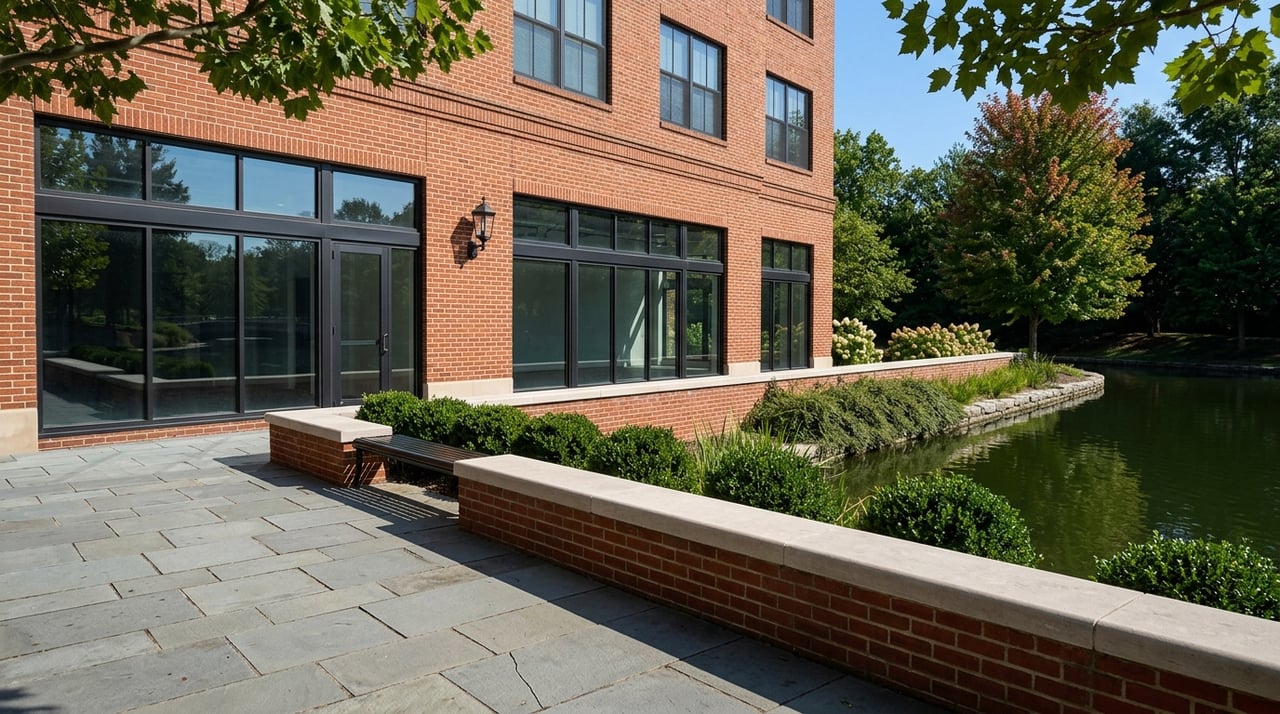
For a lakefront routine, Rio is the city’s standout option. It is described as Montgomery County’s premier waterfront destination for shopping, dining, entertainment, and recreation, with a boardwalk, patio dining, paddleboats, a carousel, a movie theater, climbing, retail, and year-round events.
In practical terms, that means your day can stay flexible. You can meet friends for dinner, take a walk by the water, keep children busy with attractions, or stop by for an event without needing to plan a full outing across multiple destinations.
A built-in social rhythm
One reason Rio shapes everyday life so strongly is its event calendar. Live concerts, artisan markets, seasonal festivals, fitness classes, and family-friendly events create a steady sense of activity throughout the year.
If you want a neighborhood experience where something is often happening nearby, that matters. It gives the area an easy, casual energy that can appeal to both residents and people visiting from other parts of the county.
Other convenience-driven hubs
Kentlands adds market-day routine
Kentlands offers a different kind of everyday convenience. Its year-round Main Street Farmers Market gathers around the Main Street Pavilion and sells produce, prepared foods, baked goods, coffee, and local crafts.
For many buyers, that kind of routine shapes how a place feels week to week. It is less about one landmark and more about having a regular place to shop, walk, and spend time in a compact setting.
Crown Farm offers newer mixed-use living
Crown Farm reflects Gaithersburg’s newer side. The city describes it as a large-scale transit-oriented development with 2,250 residential units in a variety of dwelling types and up to 320,000 square feet of commercial and retail space.
If you are comparing lifestyle options, Crown Farm offers a more contemporary, convenience-oriented setting than the historic districts. It may appeal to buyers or renters who want newer housing and mixed-use access rather than older architecture and historic review requirements.
Parks and seasonal routines
Bohrer Park supports active days
Bohrer Park is one of the clearest examples of how recreation fits into everyday life in Gaithersburg. It includes a paved path for walking, jogging, inline skating, and biking, along with miniature golf, a water park, a skate park, playgrounds, picnic areas, and the city’s oldest standing building, the log Smokehouse.
That range of amenities gives you options across age groups and interests. Whether your ideal afternoon includes exercise, play space, or a casual outing, Bohrer Park helps round out the city’s day-to-day appeal.
Summer and holidays stay busy
Gaithersburg’s seasonal calendar adds another layer to the lifestyle. SummerFest at Bohrer Park includes live music, food trucks, local breweries, family activities, and fireworks, while Evenings in Olde Towne brings concerts to the historic core during June and July.
The result is a city with a visible seasonal rhythm. Instead of needing to search far for things to do, you often have recurring local events that help anchor weekends and evenings.
What homes feel like in historic districts
Older homes bring variety and character
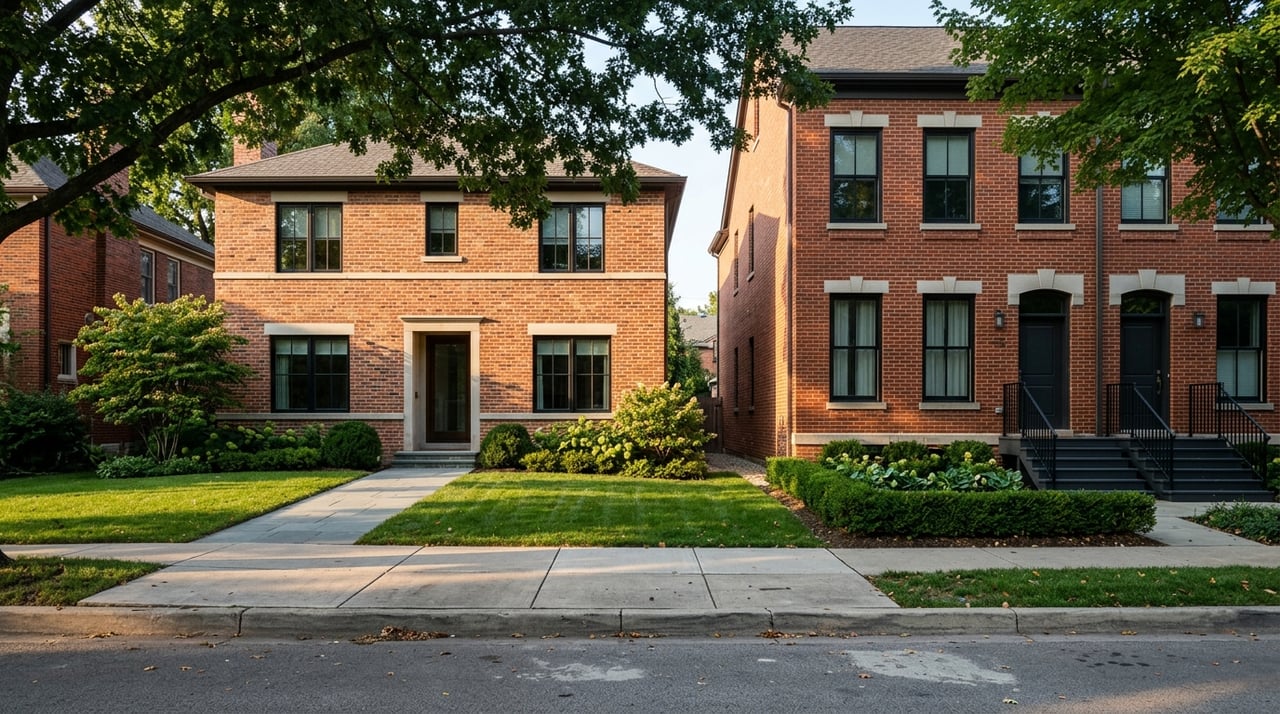
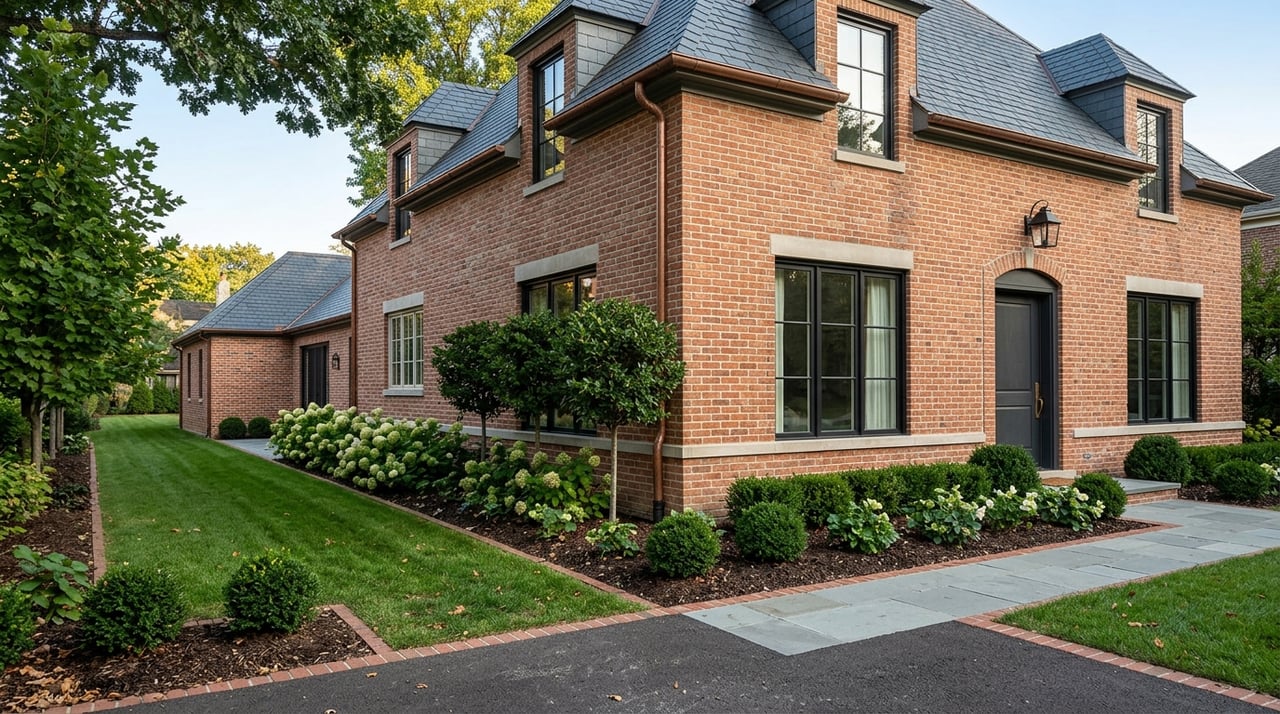
The strongest historic housing character appears in Gaithersburg’s local historic districts. In the Brookes, Russell and Walker Historic District, you will find late-19th-century suburb patterns with narrow rectangular lots, curving blocks, and houses set back from the street.
Architecturally, the mix includes Queen Anne, Folk Victorian, Foursquare, and Craftsman homes. In Chestnut/Meem, the setting includes mature trees, a strong Victorian presence, and later infill such as ramblers, Cape Cods, Foursquares, and bungalows alongside larger Victorian homes.
The tradeoff is oversight
If you are drawn to historic homes, it helps to understand the practical side too. Exterior changes to locally designated properties require approval by the city’s Historic District Commission.
For some buyers, that oversight is a worthwhile trade for mature trees, distinctive architecture, and a strong sense of place. The city also reports that its fiscal impact study found local historic designation had not hurt property values compared with similar non-designated neighborhoods.
Choosing the right fit for your routine
Historic districts suit a place-first lifestyle
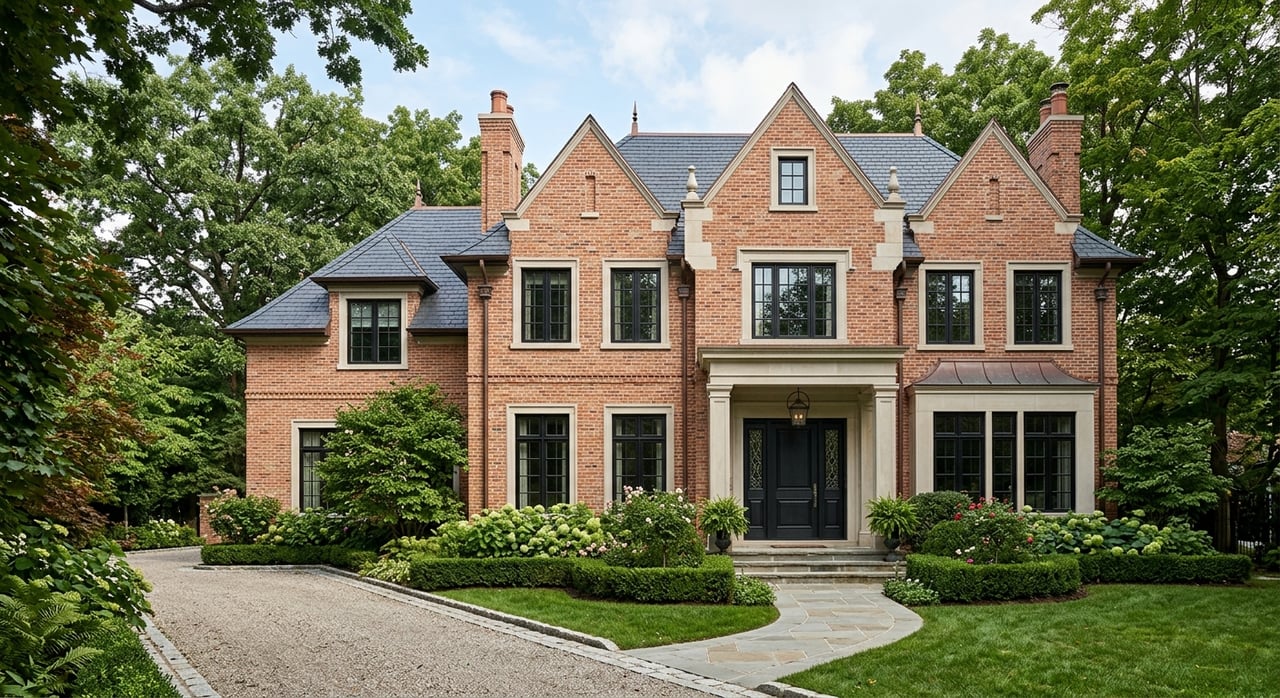
If you picture daily life around character, older streets, and established residential patterns, Gaithersburg’s historic districts may feel like the right fit. These areas offer a more architectural and preservation-minded experience, and they can appeal to buyers who value the setting as much as the floor plan.
You may also appreciate being closer to Olde Towne’s events and civic spaces. That can create a more rooted, neighborhood-centered rhythm for everyday living.
Lakefront and mixed-use areas suit convenience
If your priorities lean toward ease, activity, and newer amenities, Rio or other mixed-use nodes may be more natural options. These areas make it simpler to combine dining, recreation, errands, and social plans in one place.
For many buyers, the decision comes down to how you want your days to work. Do you want historic character and a strong sense of place, or do you want built-in convenience and modern mixed-use energy? In Gaithersburg, you can find both.
If you are weighing that choice, working with a team that knows Montgomery County block by block can make the process far more efficient. For tailored guidance on Gaithersburg homes, lifestyle fit, and neighborhood strategy, connect with The Agency DC | The AG Group.
FAQs
What is everyday life like in Gaithersburg’s Olde Towne area?
- Olde Towne combines historic surroundings with regular public programming, including concerts, community events, museum activities, and nearby dining in a compact setting.
What is the main lakefront area in Gaithersburg for daily activities?
- Rio is Gaithersburg’s clearest lakefront-style destination, with a boardwalk, dining, entertainment, recreation, and year-round events in one mixed-use setting.
What types of homes are common in Gaithersburg’s historic districts?
- Common home styles include Queen Anne, Folk Victorian, Foursquare, Craftsman, ramblers, Cape Cods, bungalows, and larger Victorian homes, depending on the district.
What should buyers know about owning a home in a Gaithersburg historic district?
- Buyers should expect city review for exterior alterations to locally designated properties through the Historic District Commission.
Which Gaithersburg areas are most walkable for everyday errands and outings?
- The strongest walkable pockets mentioned in city and local materials are Olde Towne, Rio, Kentlands Main Street, and Crown Farm, where amenities and events are clustered.
How does Crown Farm compare with Gaithersburg’s historic neighborhoods?
- Crown Farm offers a newer, transit-oriented, mixed-use environment with a variety of housing types and retail space, while the historic neighborhoods focus more on older homes, mature trees, and preserved character.