Looking for a place where morning paddles on the Potomac and sunset walks to a cozy village pub feel like everyday life? If you value land, privacy, and trail access without giving up reach to Tysons or Washington, D.C., Great Falls deserves a closer look. In this guide, you’ll learn how the area’s estates, parks, river views, and practical commute routes fit together so you can decide if it matches your lifestyle. Let’s dive in.
Why Great Falls stands out
Great Falls sits along the Potomac River gorge in northwest Fairfax County, offering a rare blend of rural feel and suburban convenience. The community’s crown jewel is nearby Great Falls Park, an approximately 800-acre National Park site with dramatic overlooks and whitewater vistas that shape daily life and weekend plans for many residents. You can preview the park’s trails, overlooks, and safety info on the National Park Service page for Great Falls Park.
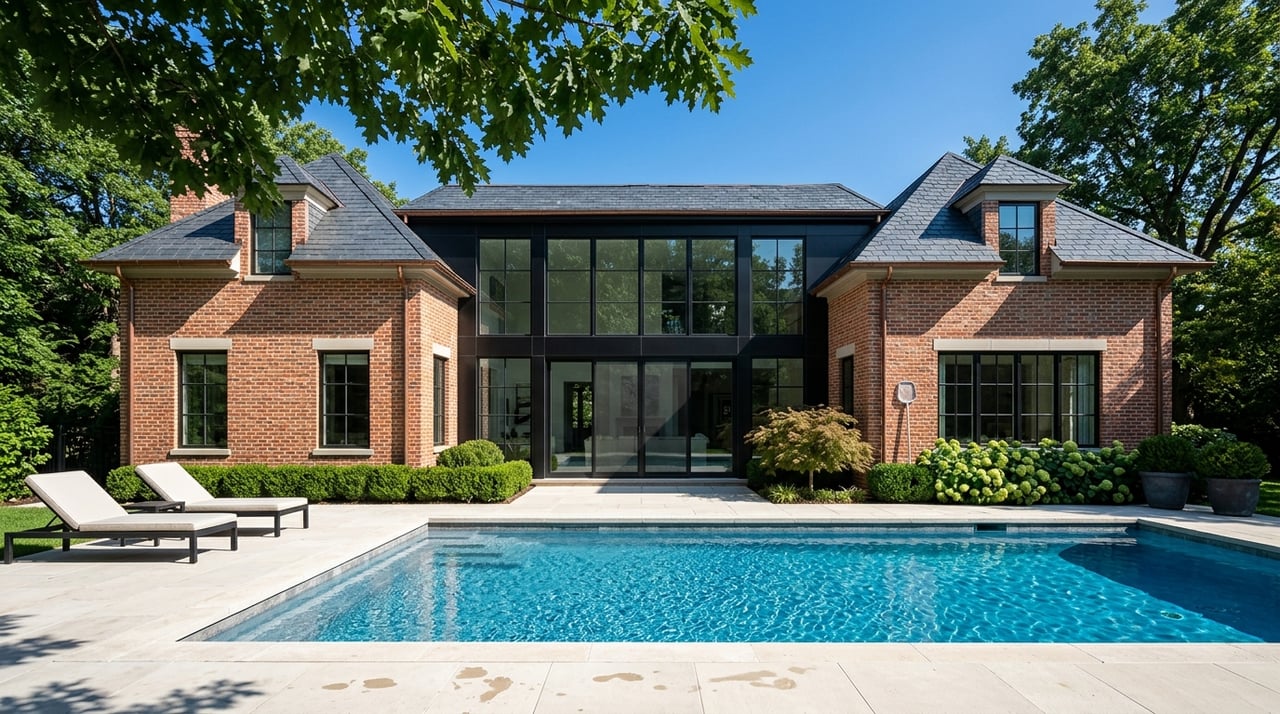
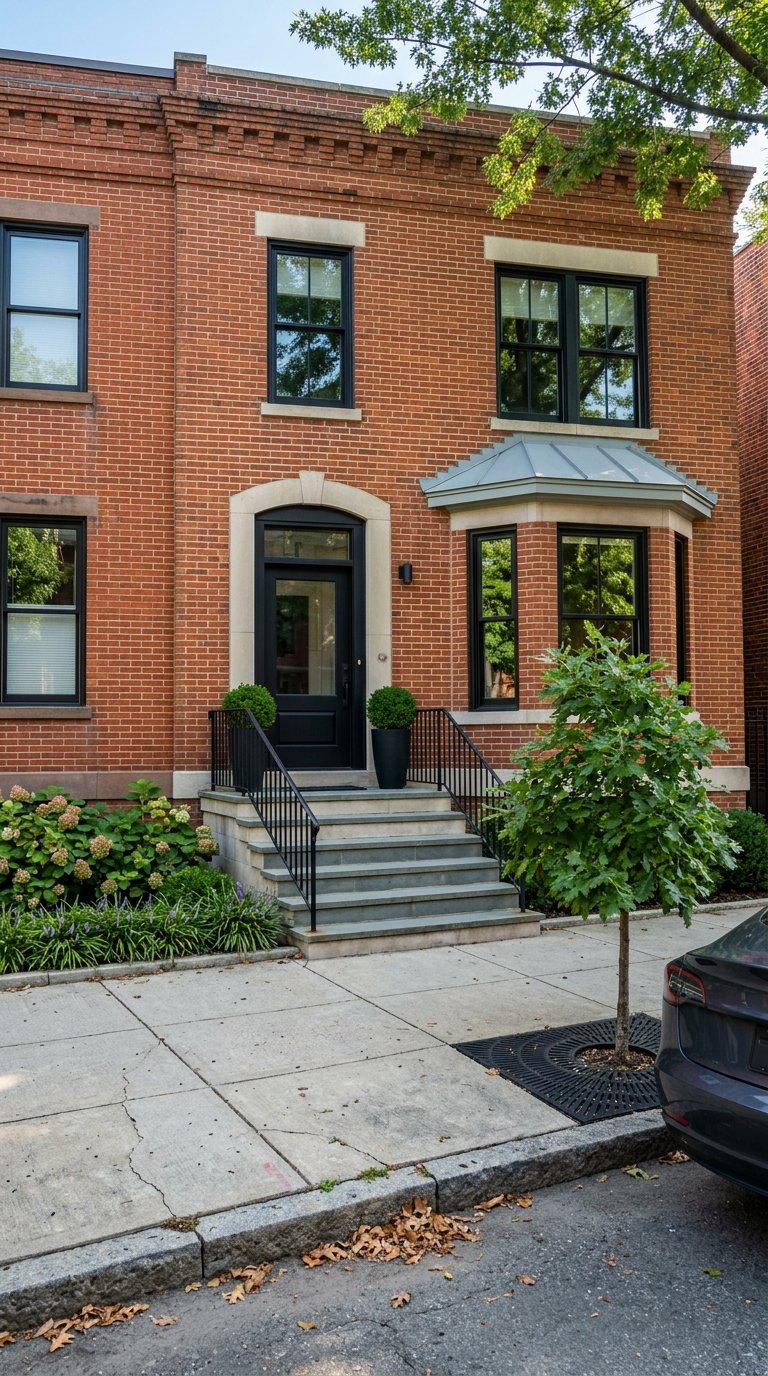
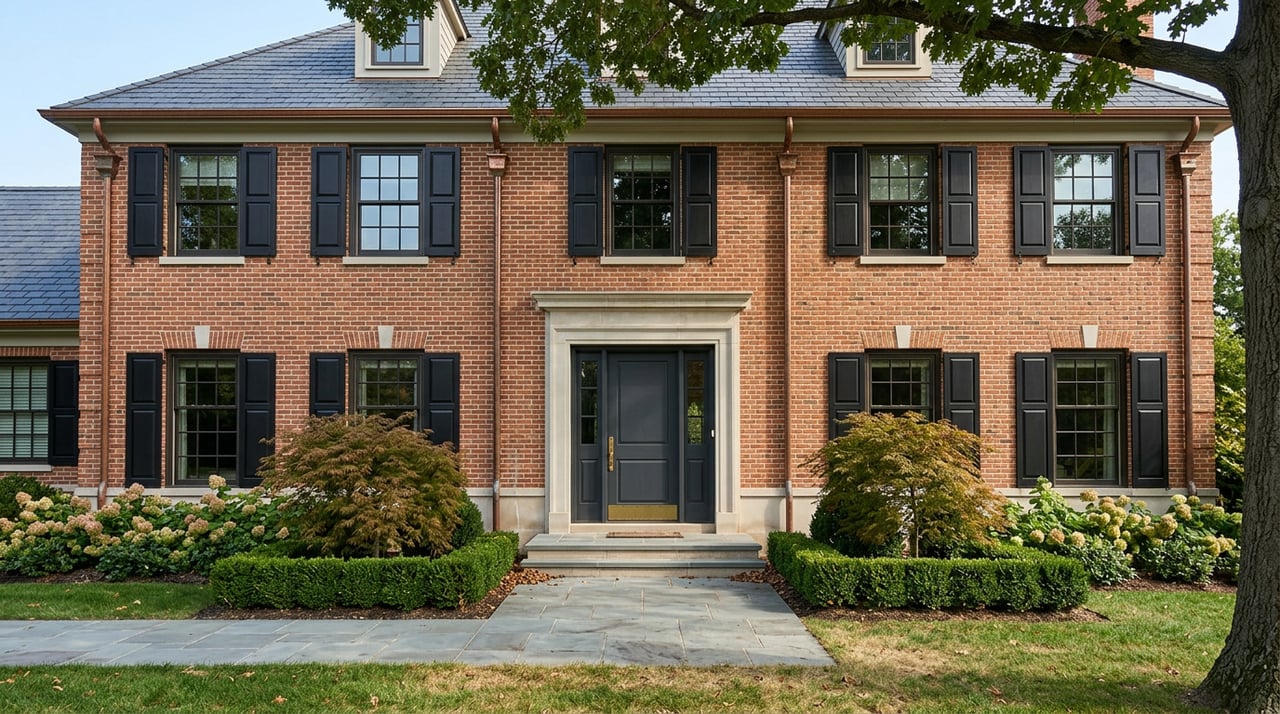
Housing here is defined by large-lot, single-family estates. Many properties span one acre or more, and multi-acre parcels are common in select enclaves. You will see a mix of traditional Colonial-inspired architecture, custom builds, and modern luxury designs. Equestrian-friendly properties do exist, often with barns, fenced pastures, and riding-ring setups.
This is a high-end market. Public listing portals often show upper-tier medians for zip 22066. For example, Realtor.com recently reported a median asking price near $2.37M for Great Falls, while other sources sometimes cite figures closer to the mid-$1M range. Numbers vary by methodology and timing, so always confirm live data with a local MLS snapshot before making decisions. Inventory for true multi-acre estates can be thin, which is why some buyers use targeted outreach or off-market options.
Estates, land, and equestrian options
If you want space, Great Falls delivers. One-acre lots are routine, and multi-acre parcels appear across private enclaves. You will find room for gardens, pools, guest houses, sport courts, and in some cases, equestrian facilities.
Buyers who ride or board horses often focus on properties with paddocks, barn infrastructure, and trail access. Some neighborhoods include riding-path easements that connect to county parkland. The supply of full equestrian estates is limited, which contributes to pricing and competition in these pockets.
Fairfax County’s zoning framework is one reason lots stay large. Very low-density residential districts and subdivision standards help maintain the estate character. Before you buy, review parcel zoning, permitted uses, and any easements with county resources. You can reference the county’s zoning ordinance index to understand district basics and definitions in more detail through the Fairfax County zoning ordinance.
Quick buyer checklist for land and estates
- Confirm parcel zoning, any conservation or trail easements, and accessory-use rules.
- Verify utilities. Many properties use well and septic rather than public water and sewer.
- Document outbuildings and equestrian elements. Check permits and condition of barns, riding rings, and fences.
- Walk the property lines and study topography, drainage, and tree cover.
- If privacy is a priority, review adjacent parcels and any future development potential.
Parks, trails, and river access
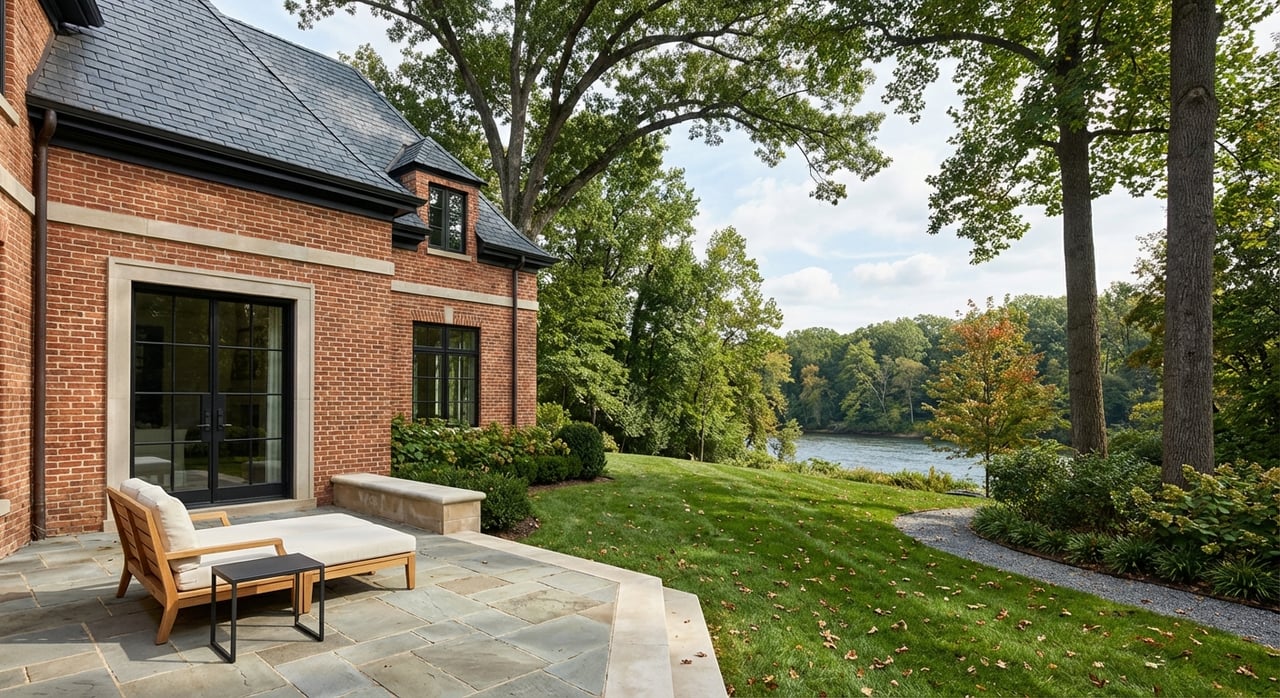
Outdoor recreation is the lifestyle engine in Great Falls. You can access iconic Potomac views, easy-to-moderate hikes, and real weekend boating without a long drive.
Great Falls Park
The signature destination, Great Falls Park, sits along the Potomac River’s Mather Gorge with boardwalk overlooks, rugged trails, history exhibits, and ranger guidance. The rapids are spectacular and the area is well regulated for safety. Always follow posted rules and trail advisories.
Riverbend Park
A favorite for families and paddlers, Riverbend Park offers hiking, a visitor center, interpretive programs, and a boat ramp that makes kayaking or canoeing a realistic Saturday plan. County guidance emphasizes river safety and proper use of designated launch points.
Scott’s Run Nature Preserve
Just to the east, Scott’s Run brings you short hikes, spring wildflowers, and Potomac overlooks. It is a go-to for quick nature breaks close to home and often less crowded than the main overlooks.
Colvin Run Mill Historic Site
History and green space meet at Colvin Run Mill, where you can explore the restored 19th-century mill, picnic, and connect with nearby trail links. It is a quiet counterpoint to the dramatic scenery upriver.
Together, these parks anchor the local segment of the Potomac Heritage Trail, so you can build a weekend loop that fits your time and mood. For many residents, the parks become an extension of the backyard.
Village life and private clubs
Great Falls does not have an urban downtown, but it does have a genuine village center that keeps the community connected.
The Great Falls Village Centre is the everyday hub with small shops, a Safeway, coffee, and long-running restaurants. Seasonal events, concerts, and local gatherings are organized here, making it easy to meet neighbors and support local businesses. Explore the calendar and tenant mix at the Great Falls Village Centre.
Community programming is a big part of the area’s social fabric. The Celebrate Great Falls Foundation runs Concerts on the Green, July 4 festivities, and other hallmark events. To get a feel for the civic heartbeat, browse the Celebrate Great Falls Foundation overview and mark a few dates.
On weekends, the Great Falls Farmers Market brings local produce and artisan goods to the Village Centre area, which adds a small-town ritual to the calendar. You can check hours and seasonal updates at the Great Falls Farmers Market.
If private club life is a priority, River Bend Golf & Country Club offers golf, tennis, pool, and dining. Membership is a popular amenity among estate owners who want a full-service recreational home base. Learn more about programs and facilities at River Bend Golf & Country Club.
Commute and connectivity
Great Falls is primarily car dependent, which is part of how it preserves its low-density charm. You will use Georgetown Pike, Leesburg Pike, and local connectors to reach the Dulles Toll Road and the Capital Beltway.
- Tysons Corner: Mileage is short and routes are direct. In light traffic, many drives fall in the 10 to 20 minute range from central Great Falls. For a sense check on sample routes, you can reference planning tools like Rome2Rio’s Great Falls to Tysons overview. Rush hour can extend times.
- Washington, D.C.: Off-peak drives commonly run around 30 minutes from central D.C. to Great Falls, with longer times during peak commute periods. Use live mapping when you test your actual route and timing.
Public transit inside Great Falls is limited. Many residents use a hybrid approach: drive to a Silver Line station in Tysons or McLean, then take rail into D.C. or other Northern Virginia hubs. Tysons has four Silver Line stations that serve major employment centers. You can review the station list and context on the Silver Line stations page.
Great Falls vs nearby areas
If you are early in your search, it helps to view Great Falls alongside a few well-known neighbors.
- Great Falls, VA: Estate lots, privacy, and strong park and river access. Village-scale amenities. Car dependent, but short drives to Tysons.
- Potomac, MD: Also known for multi-acre estates and a village center on the Maryland side of the river. Similar high-end profile, different county and tax context.
- Bethesda, MD: Denser, walkable, with Metrorail Red Line access in its downtown. Ideal if you prioritize a lively urban core and a shorter rail commute.
- McLean, VA: A mix of older estates and denser subdivisions, somewhat closer to Tysons. A good middle ground if you want convenience over larger acreage.
Smart next steps
Seeing Great Falls in person is the best way to decide if it fits your life. Here is a simple plan to make your visits count.
- Do a real commute test. Drive your likely AM and PM routes during typical hours.
- Explore the riverfront. Walk Great Falls Park and launch a kayak at Riverbend Park.
- Sample village life. Stop by the Village Centre, the farmers market, or a Concert on the Green to feel the community rhythm.
- Focus your search. Decide how much land you want, whether equestrian features matter, and which trail or river access points you want nearby.
- Confirm the basics. Review zoning, utilities, easements, and any outbuildings before you write an offer.
If you are drawn to land, trails, and river views near Tysons and D.C., Great Falls delivers a rare mix of space and access. When you are ready to tour estates, compare microlocations, or pursue off-market opportunities, connect with The Agency DC | The AG Group for boutique, concierge-level guidance.
FAQs
What types of homes are common in Great Falls, VA?
- Primarily large-lot single-family estates, often on one acre or more, with a mix of traditional and custom modern designs, and select equestrian-friendly properties.
How long is the Great Falls to Tysons commute?
- In light traffic, many routes take about 10 to 20 minutes from central Great Falls, though rush hour can extend times; always test your specific drive.
Where can you access the Potomac River in Great Falls?
- Riverbend Park offers a boat ramp and paddling access, while Great Falls Park provides overlooks and trails along the gorge; always follow posted safety guidance.
What everyday amenities anchor village life in Great Falls, VA?
- The Great Falls Village Centre hosts shops, dining, and events, supported by the Celebrate Great Falls Foundation and a weekly farmers market.
What should estate buyers verify before purchasing land in Great Falls?
- Confirm zoning, utilities, and any conservation or trail easements, and document the condition and permits for outbuildings or equestrian features before you offer.