Thinking about calling Bethesda home? You’re not alone. With a lively downtown, easy Red Line access, and tree‑lined neighborhoods, Bethesda offers a blend of urban energy and suburban ease that’s hard to beat. In this guide, you’ll get a clear picture of neighborhoods, dining, parks, commutes, schools, and everyday life so you can decide if it fits your lifestyle. Let’s dive in.
Bethesda at a glance
Bethesda sits just northwest of Washington, D.C., in Montgomery County along the Red Line. The area is known for its compact, walkable core surrounded by established residential streets. Many residents work in healthcare, research, government, and related fields thanks to nearby institutions. For current demographics and economic data, review the U.S. Census Bureau’s QuickFacts.
Bethesda’s identity combines convenience and community. You’ll find active streets, a strong dining scene, and frequent cultural events, plus access to trails and parks. Housing skews higher in cost than national averages, and you’ll want to balance budget with commute and lifestyle priorities.
Neighborhoods and housing styles
Bethesda’s core neighborhoods cluster around the Metro, with classic single‑family streets radiating outward. You can choose a condo near everything or a quieter block with more space.
Downtown: Bethesda Row and Woodmont Triangle
This is the heart of Bethesda’s walkable lifestyle. High‑rise condos and mid‑rise buildings sit over restaurants, cafés, and shops, especially around Bethesda Row and Woodmont Triangle. If you value short commutes and car‑light living, this area delivers the greatest convenience and energy.
North of the core and Rockville Pike edges
As you move north and toward the Rockville/North Bethesda transition, buildings step down to townhomes, garden‑style apartments, and smaller condo communities. Newer mixed‑use pockets along key corridors add retail and entertainment. It’s a good middle ground if you want amenities nearby without the busiest blocks.
Single‑family streets near Chevy Chase and Edgemoor
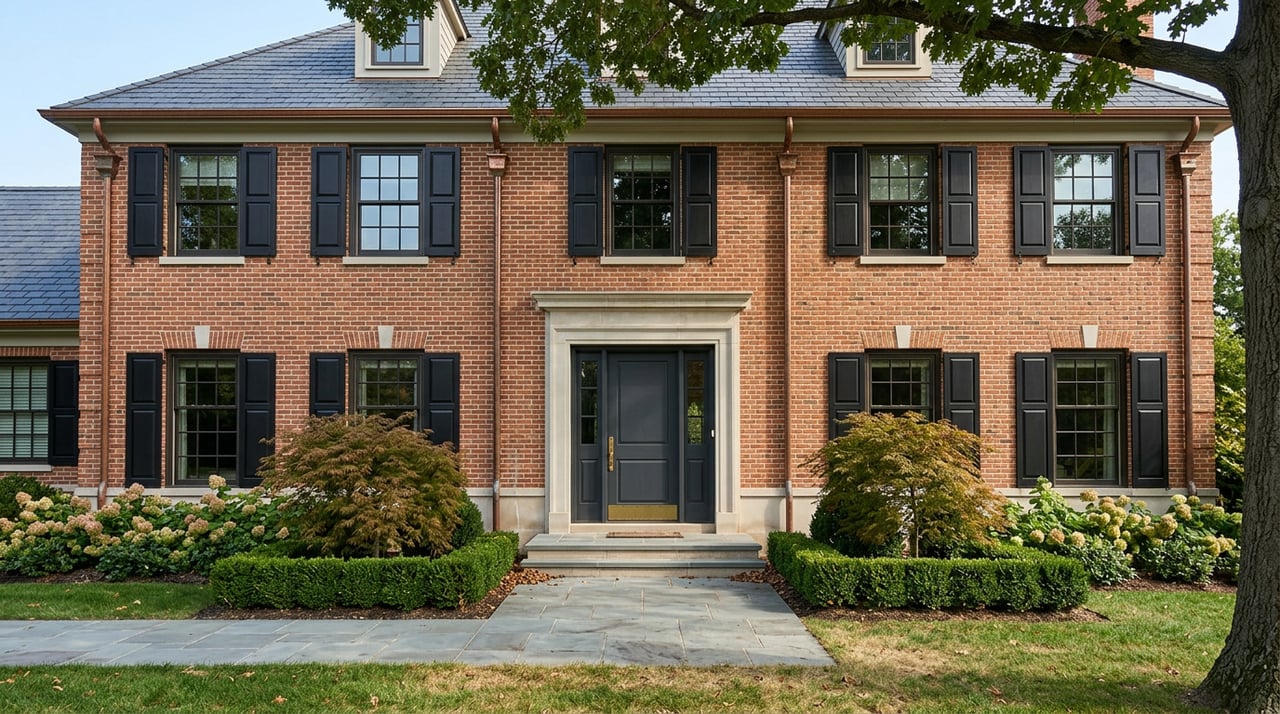
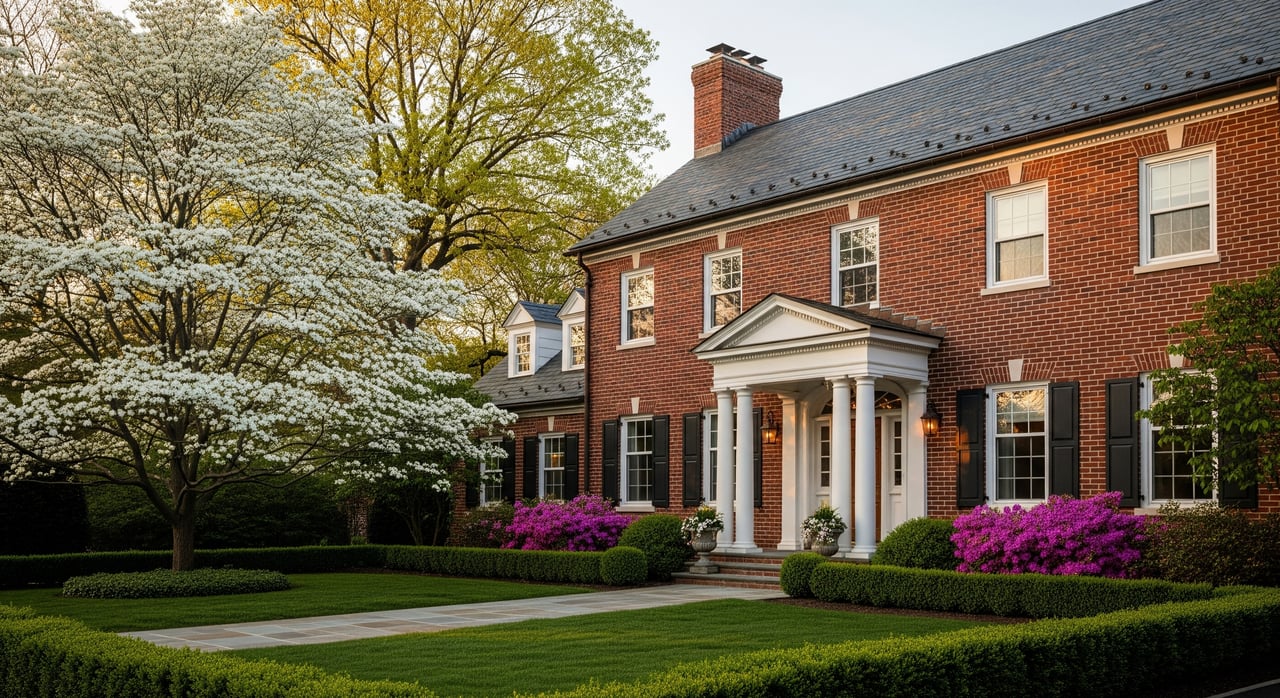
Surrounding the core, you’ll find tree‑lined streets with Colonial, Tudor, Cape Cod, and ranch‑style homes. Lots tend to be larger, and many homes reflect mid‑century or earlier architecture with thoughtful updates. Areas near the Bethesda–Chevy Chase border and enclaves like Edgemoor include some of the area’s most notable properties.
Townhomes and luxury infill
Infill development has added upscale townhomes and high‑end remodels near downtown and along commuter corridors. If you want modern finishes with lower maintenance than a traditional single‑family home, these options can be a smart fit.
Rentals and entry points
Near the Metro, you’ll see a wide mix of apartments plus smaller condos that can provide lower entry costs than detached homes. Older garden apartments and mid‑rise buildings often offer practical, location‑first value. If you plan to rent first, starting near transit can simplify your search.
Daily life: dining, shopping, and arts
Bethesda supports a strong dining and retail scene for a suburban downtown, with frequent new openings and long‑standing favorites.
Dining and coffee
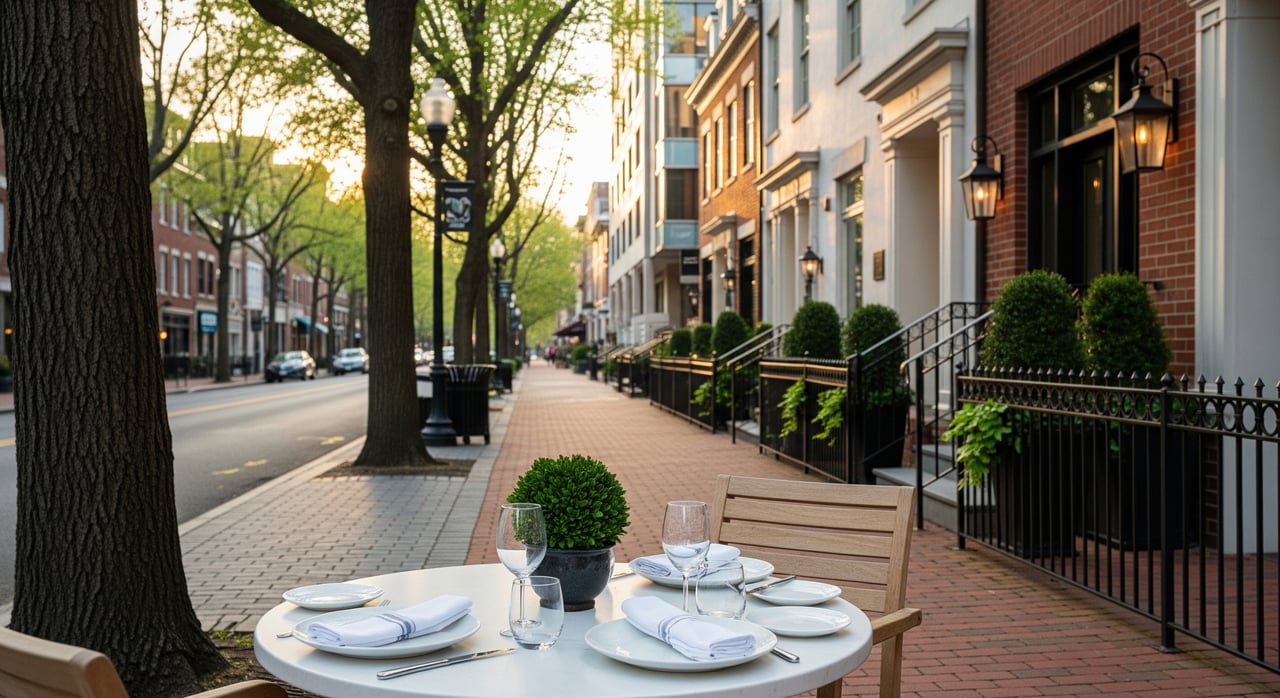
Bethesda Row and the surrounding streets pack in cafés, bakeries, wine bars, and restaurants across price points. You can explore what’s open and what’s new through the Bethesda Urban Partnership, which also organizes local events and promotions. Expect busy sidewalks most evenings and weekends.
Groceries and weekly routines
Multiple national and specialty grocers sit within a short walk or drive of downtown. Weekend farmers’ markets add fresh produce and local vendors. Many residents prefer walkable errands during the week and larger stock‑up trips to nearby shopping centers on weekends.
Arts and entertainment
You’ll find small theaters, live music, and gallery events in and around the core. Larger performances nearby, including in North Bethesda, broaden your options. Seasonal street festivals and public art keep the calendar full.
Parks, trails, and fresh air
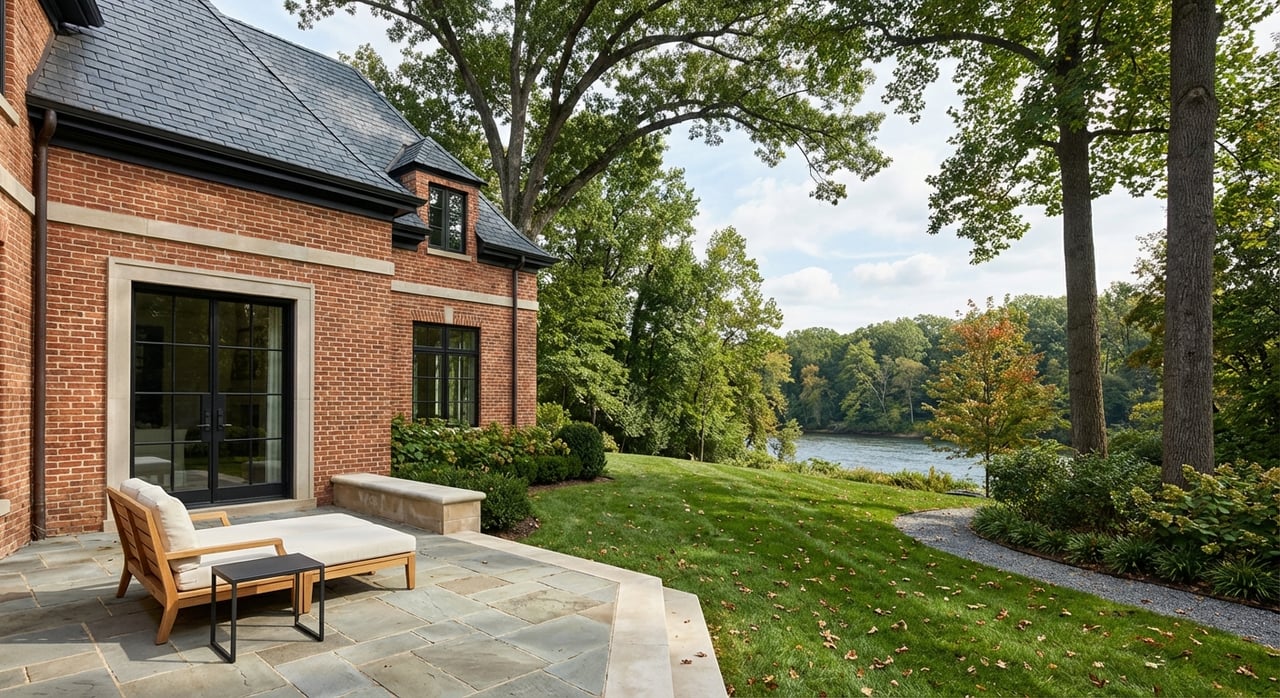
You have easy access to neighborhood parks and regional greenways. The Capital Crescent Trail runs through Bethesda and is popular for biking, jogging, and even commuting. For programs, trail maps, and park facilities, visit Montgomery Parks.
Healthcare and major employers
Two anchors shape local life: the National Institutes of Health and Walter Reed National Military Medical Center. You can learn more about campus information and programs from the NIH and Walter Reed National Military Medical Center. A wide network of clinics and suburban hospitals surrounds Bethesda as well.
Getting around and commutes
Bethesda’s transportation network makes D.C. and nearby job centers accessible. Your best option depends on where you live and when you travel.
Metro Red Line
The Bethesda Station sits in the downtown core and connects you to Dupont Circle, Farragut, and Metro Center. Typical train rides to many downtown D.C. stations are often in the 20 to 45 minute range, depending on time of day and transfers. Check schedules and the trip planner at WMATA.
Purple Line progress
The Purple Line light rail is under construction and will connect Bethesda east to Silver Spring and College Park when complete. Timelines have shifted in the past, so confirm the current status with Purple Line Maryland.
Driving, parking, and rideshare
Driving times vary widely with peak congestion. Downtown offers public garages, building parking, and metered spaces, though availability and costs differ by location and time. Many residents combine Metro during the week with car trips on weekends.
Biking and trail access
The Capital Crescent Trail and neighborhood bike routes make cycling a practical option for short trips and some D.C. commutes. If this matters to you, focus your home search near trail access to simplify your routine.
Schools and practical planning
Bethesda is served by Montgomery County Public Schools, with multiple elementary, middle, and high schools across neighborhoods. School boundaries, program details, and assignment tools change over time, so verify current information with MCPS.
The overall cost of living is higher than national averages, with housing as the main driver. For tax and county services, explore the Montgomery County Government site or consult a qualified professional for specifics on property taxes, transfer taxes, and closing costs.
Residents generally perceive Bethesda as safe relative to many metro areas. For current crime patterns and police information, review county resources and local precinct data through the Montgomery County Government.
Is Bethesda a fit? Quick checklist
- You want walkable dining and a short Metro ride to D.C.
- You prefer a quiet street with yard space and parks nearby.
- You need strong healthcare access and proximity to NIH or Walter Reed.
- You value trails and outdoor time on the Capital Crescent.
- You plan around cost, commute time, and school boundaries.
A day in the life
Young professional
Start with coffee along Bethesda Row, hop on the Red Line to your downtown office, and wind down with a casual dinner and a neighborhood event. On weekends, run the Capital Crescent Trail and explore new restaurant openings.
Household seeking space
Bike the trail in the morning, then head to a neighborhood park. After school and activities, enjoy an easy dinner downtown and a quiet evening on the porch. Weekend staples include the farmers’ market and a museum trip in D.C.
Empty‑nester
Walk to lunch and errands, take a midday Metro into the city for a show, then meet friends for a relaxed dinner back in Bethesda. Spend Saturday at a concert or gallery event and Sunday on the trail.
Next steps
If Bethesda feels right, start by clarifying your must‑haves: commute time, housing type, school needs, and walkability. Use Walk Score to compare address‑level walkability and Bethesda Urban Partnership for downtown events. Confirm school boundaries with MCPS, map your commute on WMATA, and follow Purple Line Maryland for construction updates.
When you are ready to tour neighborhoods, compare options, or position a home for sale, connect with a local team that pairs boutique service with proven results. Reach out to The Agency DC | The AG Group to start a plan tailored to your lifestyle and goals.
FAQs
Is Bethesda walkable if I live near downtown?
- Yes. The core around Bethesda Row and Woodmont Triangle is highly walkable, with daily needs, dining, and Metro access close by. Use Walk Score to compare specific addresses.
How long is the commute from Bethesda to downtown D.C.?
- By Red Line, many downtown Washington destinations are commonly 20 to 45 minutes, depending on time of day and transfers. Check real‑time trip planning at WMATA.
What housing options exist for first‑time buyers in Bethesda?
- Entry points often include smaller condos, older garden‑style buildings, and rentals near transit. These can offer lower costs than single‑family homes, especially around the Metro corridor.
Which schools serve Bethesda and how do I check boundaries?
- Bethesda is served by Montgomery County Public Schools; use MCPS tools to confirm current school assignments, programs, and updates.
Are there good parks and trails near Bethesda?
- Yes. The Capital Crescent Trail, neighborhood parks, and regional green spaces are close by. For maps and programs, visit Montgomery Parks.