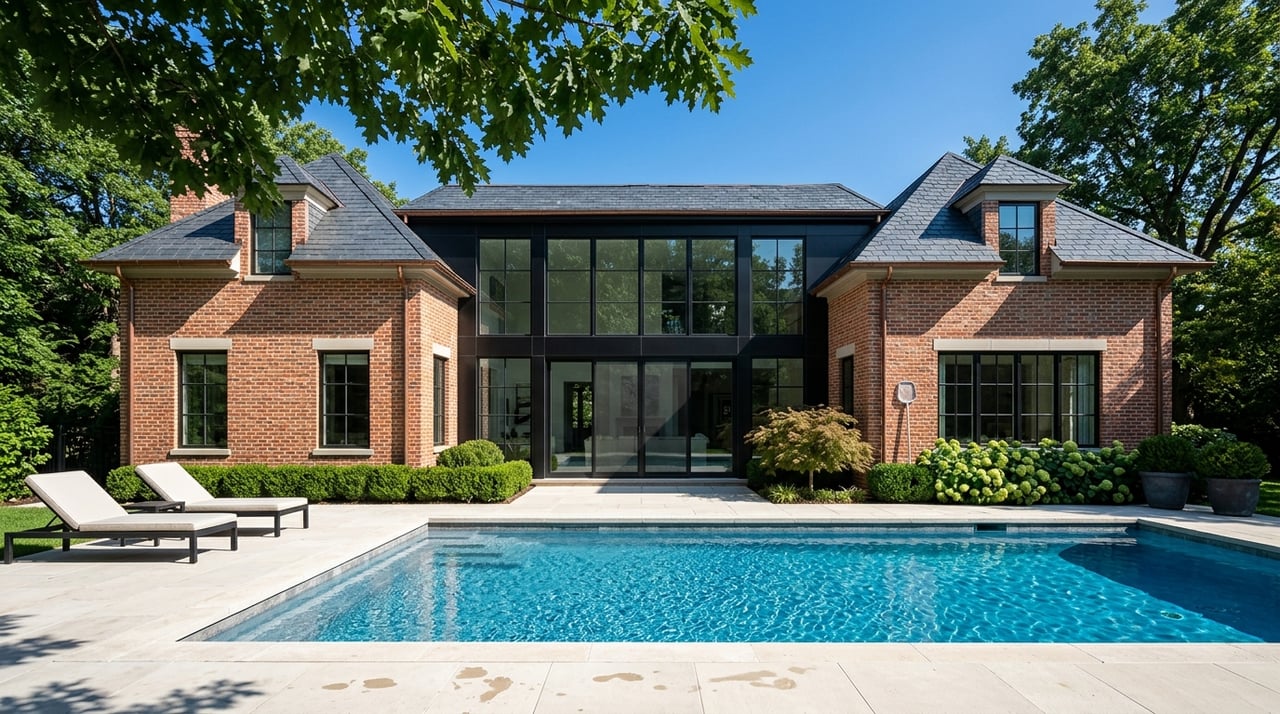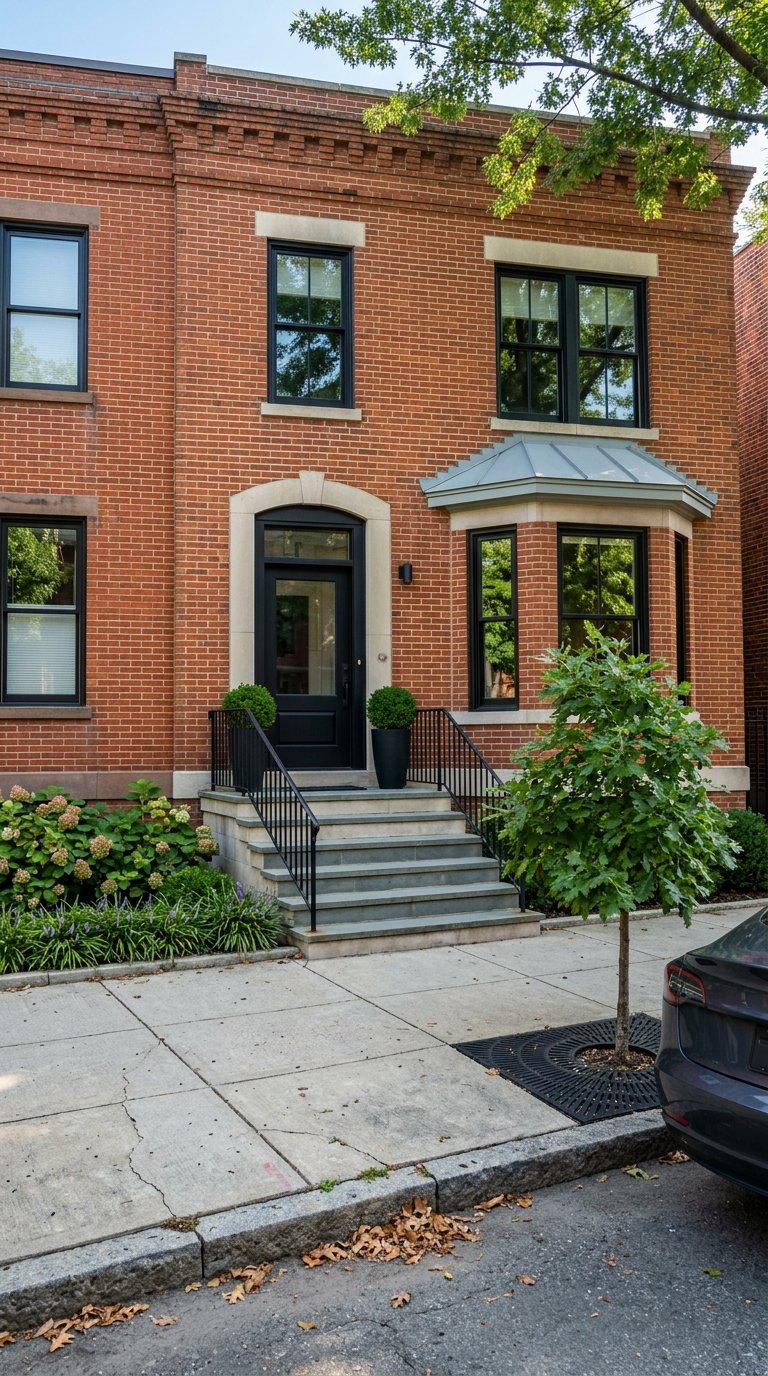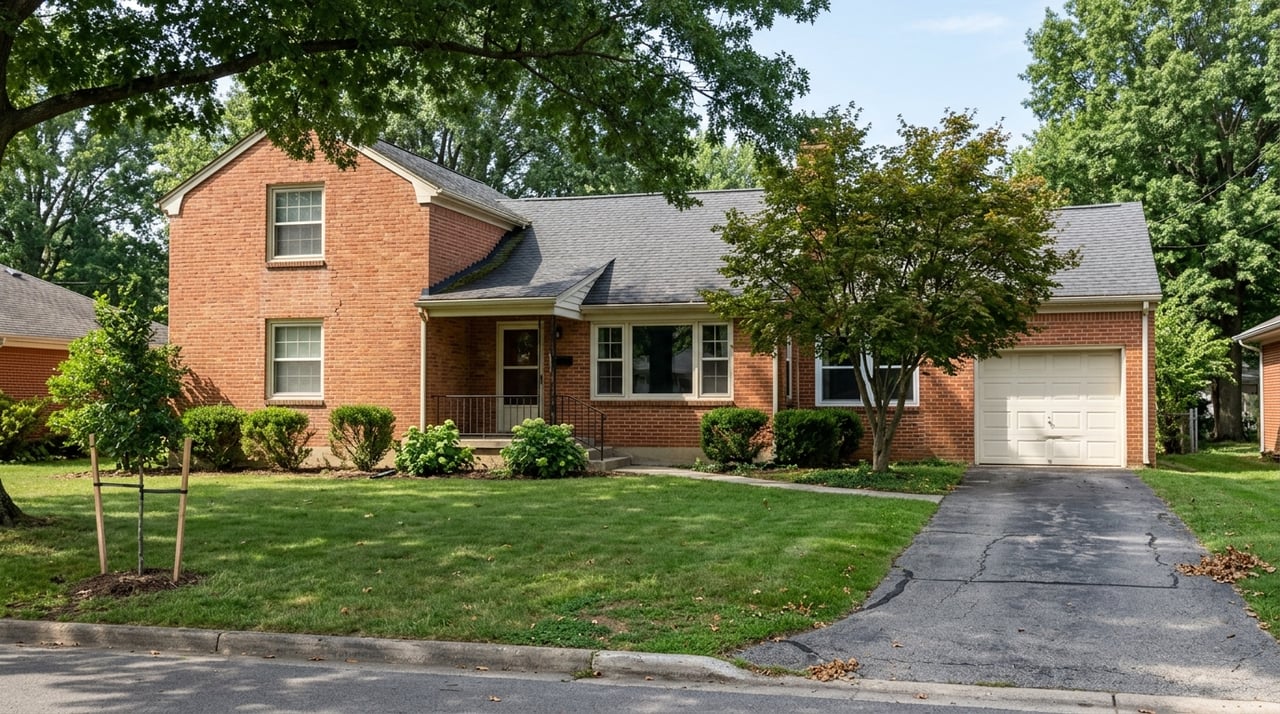
Looking for a teardown or large-lot investment in Montgomery County can feel promising and overwhelming at the same time. A property may look like a clear redevelopment play on paper, but zoning, infill rules, forest conservation, well and septic issues, and subdivision requirements can quickly reshape the economics. If you want to invest with more confidence, this guide will help you understand where to look, what to screen first, and which county rules can change a deal before you close. Let’s dive in.
Where Large-Lot Opportunities Exist
In Montgomery County, your first filter should be zoning. The County makes clear that zoning controls permitted uses, lot size, height, setbacks, and other development standards, so every search should start with the County zoning map and Chapter 59 resources.
For investors focused on larger residential parcels, the most relevant detached-house zones often include RE-1, RE-2, and R-200. Montgomery County describes RE-1 and RE-2 as large-lot residential zones, while R-200 is a low-density residential zone with a minimum lot size of 20,000 square feet. That does not automatically make every parcel a teardown candidate, but it does help narrow your search.
Why the Agricultural Reserve Is Different
The Agricultural Reserve is usually a separate category from a teardown or infill strategy. According to the County, it covers about one-third of Montgomery County, development is generally limited to one house per 25 acres, and much of the land is protected by permanent easements. You can review those limits on the County’s Agricultural Reserve overview.
In practical terms, that means the Agricultural Reserve is often a place to rule out for classic redevelopment or lot-split investing unless your intended use is agricultural. If your goal is to replace an older home, build a new detached residence, or pursue a smaller-scale residential redevelopment path, other residential zones are usually more relevant.
How To Screen A Candidate Parcel
A promising address is only the beginning. Before you underwrite demolition or new construction, you should confirm the parcel’s zoning, lot conditions, utility setup, and any overlay issues that may affect timing and cost.
Start With Zoning Confirmation
The County’s Find My Zoning tool allows you to search by property address, identify the zone, and review applicable standards. If the zoning is unclear or the deal is significant enough to justify deeper verification, the County also offers zoning confirmation letters.
This step matters because lot size alone does not tell the full story. You need to know the exact zone before you estimate setbacks, building envelope, or whether the parcel may support demolition and reconstruction the way you expect.
Look For Land-Value-Driven Parcels
From an investor perspective, the most attractive candidates are often parcels where the land may be worth more than the existing improvement. In Montgomery County, that may include older detached homes, corner lots, irregular lots, or larger parcels in estate and low-density residential zones.
That is not a formal County test, but it is a practical way to think about redevelopment potential based on local lot-area, setback, and infill standards. The key is to treat the existing house as part of the equation, not the whole equation.
Check Infill Rules Early
This is one of the biggest filters in Montgomery County. The County’s Department of Permitting Services says that in the R-200, R-90, R-60, and R-40 zones, certain lots may be subject to infill development standards if the lot was created before January 1, 1978, or through certain smaller resubdivisions tied to pre-1978 plats, and the lot is under 25,000 square feet.
Why does that matter? If you demolish and reconstruct more than 50 percent of the detached house floor area in that setting, infill lot coverage limits may apply and reduce what you can build. For investors, that can directly affect design, resale value, and project feasibility.
Review Utilities And Wooded-Land Status
You should also determine whether the site is served by public water and sewer or depends on private systems. Montgomery County notes that in category 6 areas, development is expected to use private on-site systems such as wells and septic, which can add another layer of due diligence.
Wooded-land conditions matter too. Montgomery Planning states that the Forest Conservation Law applies to certain properties over 40,000 square feet and to some projects that require development approval or a sediment-control permit. On larger parcels, tree save areas, mitigation costs, or easement requirements can materially change your numbers.
Confirm Historic Status And Private Restrictions
If a property is located in a historic district, demolition is not just a standard permit issue. The County says demolition of all or part of a building in a historic district requires a Historic Area Work Permit, or HAWP.
It is also important to remember that private deed restrictions and covenants may still affect a property even though the County does not enforce them. That means your public approval path and your private title review are both important.
Permits And Approvals That Can Change The Deal
One of the biggest mistakes investors make is treating demolition and rebuilds like a single step. In Montgomery County, demolition, subdivision, platting, and new construction can each trigger separate approvals, timelines, and consultant costs.
Demolition Is Its Own Process
The County’s residential demolition guidance explains that a demolition permit is required when a building is demolished entirely or when less than 33 percent of the first-story exterior walls enclosing habitable space remain. Depending on the property, the process may also involve utility releases, a bond, recycling requirements, sediment-control review, or right-of-way permits.
That matters because a house that looks easy to remove may still involve meaningful pre-construction work. If you are pricing a teardown, demolition should be budgeted as a regulated project phase, not a simple line item.
Subdivision Can Add Time
If your strategy includes creating new lots, Montgomery Planning says you may need a preliminary plan, site plan, administrative subdivision plan, or record plat depending on the project. The County also states that Planning Board approval and recordation steps must occur before new lots can be sold or building permits issued.
This is where many investors see timelines stretch. A parcel may look large enough to split, but the approval sequence and supporting requirements can affect both carrying costs and exit timing.
Forest Conservation May Affect Layout And Cost
On larger sites, forest conservation is not just a technical detail. Montgomery Planning says the County’s law seeks no net loss of forest and may be satisfied through conservation easements, mitigation bank credits, or contributions to the Forest Conservation Fund.
For an investor, that means wooded acreage is not always fully usable acreage. Before you assume a site can accommodate a certain building footprint or subdivision concept, it is smart to understand whether forest conservation constraints may reduce flexibility.
Height And Survey Requirements Matter
Even when you are rebuilding a single home, your plan set may require more than a basic architectural concept. The County says that in the R-40, R-60, R-90, and R-200 zones, if the lot area is under 40,000 square feet, building-height submittals must be prepared and signed and sealed by a Maryland-licensed land surveyor, civil engineer, or architect.
That requirement can influence both cost and timeline. It is another reason experienced local coordination matters before you finalize acquisition assumptions.
Well And Septic Issues To Flag
Not every Montgomery County redevelopment parcel will be on public utilities. If a property relies on a private well or septic system, your diligence process should account for permitting, testing, and reserve area requirements.
For wells, the County says a well permit is required, and a new-home potable well needs Certificate of Potability sampling before Use and Occupancy. For septic systems, Montgomery County notes that a new building lot septic system must include an initial drainfield plus reserve drainfields.
This can affect lot usability in ways that are easy to underestimate. A parcel with enough gross square footage may still face constraints once you account for septic layout, reserve areas, and other site conditions.
Why Off-Market Sourcing Matters
Some of the most interesting Montgomery County redevelopment opportunities never begin as highly visible public listings. That does not mean off-market is always better, but it does mean private sale structures can be useful when a seller values privacy, timing, or control.
The National Association of Realtors explains in its consumer guide to alternative listing options that MLS policies are local and that some markets allow options such as office-exclusive or delayed-marketing listings. Public marketing is governed by local MLS rules, so the right strategy depends on both compliance and client goals.
When Private Opportunities Make Sense
In Montgomery County, private sale discussions may be especially relevant when a property involves heirs, tenants, multiple decision-makers, or a redevelopment path that needs careful planning before broad exposure. An investor may also benefit from earlier access to evaluate zoning, infill, demolition, or subdivision hurdles before competition expands.
That said, off-market access is not guaranteed, and it is not automatically the best path for every seller or buyer. The right sourcing strategy should match the seller’s priorities, the likely entitlement burden, and the local listing rules that apply.
A Practical Investor Checklist
Before you move forward on a large-lot or teardown opportunity in Montgomery County, it helps to slow down and ask a few disciplined questions.
- What is the exact zoning designation?
- Is the parcel in RE-1, RE-2, R-200, or another zone with different limits?
- Is the property subject to infill development standards?
- Does the site exceed 40,000 square feet or contain wooded areas that may trigger forest conservation review?
- Is the property in a historic district?
- Will the project require demolition only, or demolition plus subdivision and plat approvals?
- Is the site on public utilities, or will well and septic requirements affect the layout?
- Are there private covenants or deed restrictions that could limit construction?
- Does the acquisition strategy work better as an on-market or private opportunity?
If you can answer those questions early, you put yourself in a better position to underwrite risk and spot the deals that actually fit your investment criteria.
Why Local Guidance Helps
Montgomery County offers real opportunity for investors pursuing large-lot acquisitions, teardowns, and redevelopment plays, but the path is rarely as simple as lot size or street appeal. The best opportunities are usually the ones you can evaluate clearly, price realistically, and navigate with a strong understanding of zoning, permits, and process.
If you are exploring a large-lot acquisition, considering a teardown, or looking for a more strategic approach to private and on-market opportunities in Montgomery County, The Agency DC | The AG Group can help you evaluate sourcing options, local parcel context, and the transaction path with a concierge-level approach.
FAQs
What zoning should you look for in Montgomery County for large-lot opportunities?
- Montgomery County investors often start by screening RE-1, RE-2, and R-200 parcels because the County identifies RE-1 and RE-2 as large-lot residential zones and R-200 as a low-density residential zone with a 20,000-square-foot minimum lot size.
What are Montgomery County infill rules for teardown projects?
- In Montgomery County, certain lots in the R-200, R-90, R-60, and R-40 zones may be subject to infill development standards if they meet specific age and lot-size conditions, and major demolition plus reconstruction can trigger tighter lot coverage limits.
Can you subdivide a large residential lot in Montgomery County?
- Maybe, but subdivision is not automatic because Montgomery Planning says projects may require approvals such as a preliminary plan, administrative subdivision plan, site plan, or record plat before new lots can be created, sold, or built on.
Do wooded lots in Montgomery County affect redevelopment?
- Yes, because Montgomery County’s Forest Conservation Law can apply to certain larger properties and some projects needing development approval or sediment-control permits, which may affect site design, mitigation costs, and usable area.
Are off-market teardown opportunities available in Montgomery County?
- They can be, but availability varies because private sale structures depend on seller goals, local MLS rules, and the specifics of the property, especially when privacy, timing, or multiple parties are involved.